

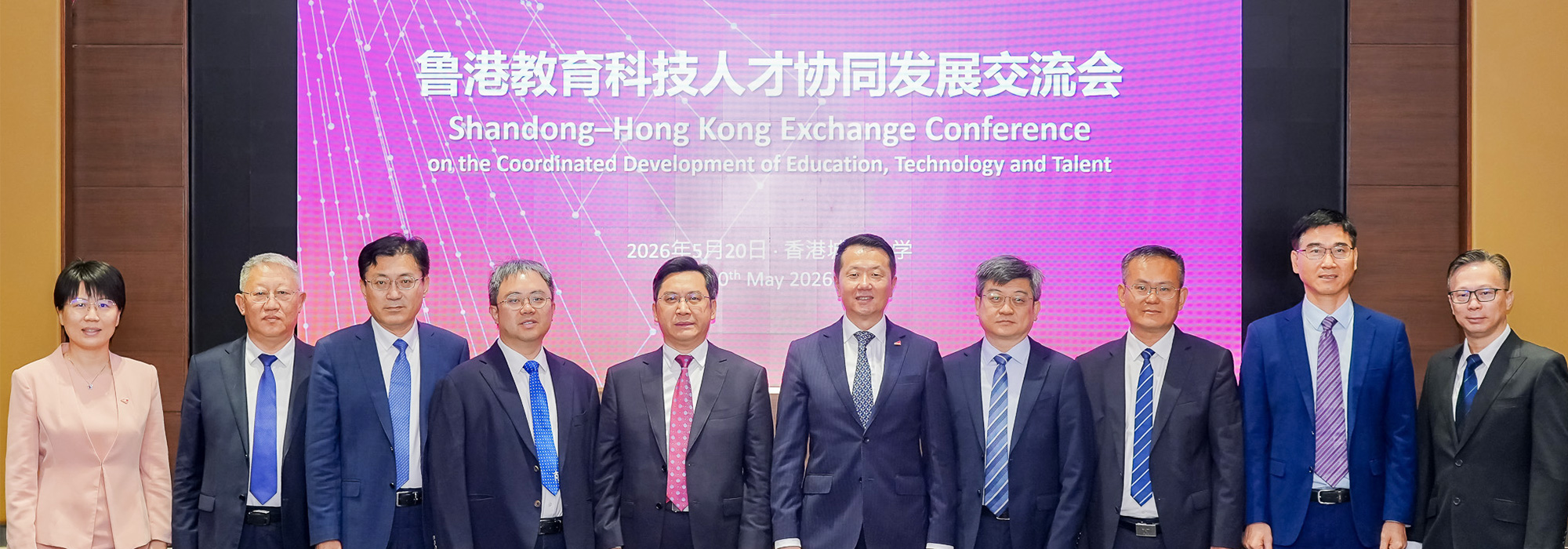
City University of Hong Kong (CityUHK) hosted the "Shandong–Hong Kong Exchange Conference on Collaborative Development of Education, Technology and Talent" on its campus on 20 May 2026. A delegation from Shandong Province visited CityUHK for in-depth discussions with university representatives on strengthening comprehensive cooperation between Shandong and Hong Kong in education, technology, and talent, jointly exploring new paths and models for synergistic development.
Deepening the Foundation of Cooperation: From "Super-Connector" to "Innovation Community"
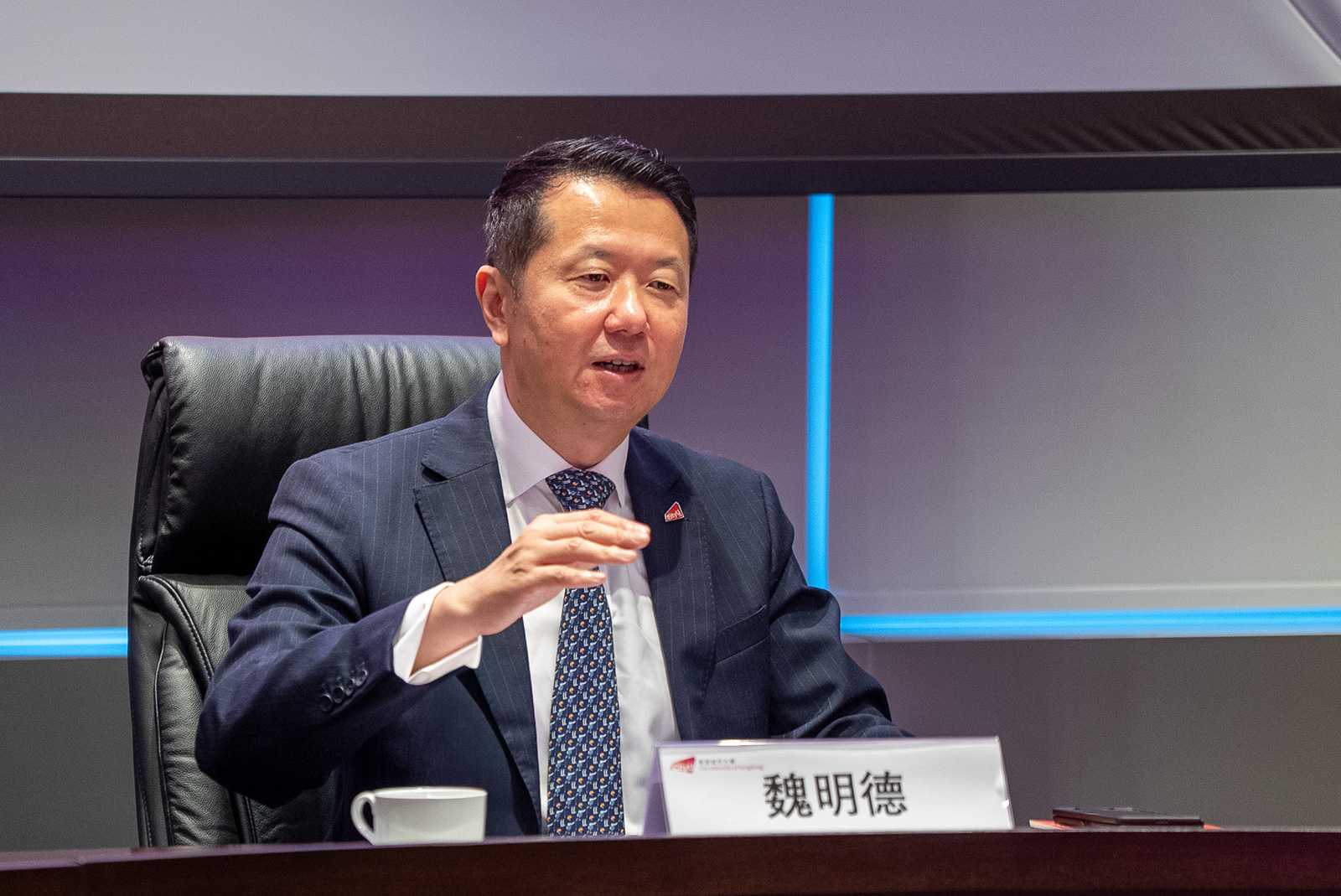
In his welcoming speech, Professor. Michael Ngai, Chairman of the CityUHK Council, highlighted the university's recent achievement of being ranked the "Most International University" by Times Higher Education (THE) for the third consecutive year, emphasising CityUHK's unique position as an international hub.
Chairman Ngai reviewed the solid existing cooperation between CityUHK and Shandong Province and expressed his high expectations for deepening the strategic partnership in scientific research collaboration, technology transfer, and talent cultivation. He stressed that both parties should continue to strengthen this collaboration, combining Hong Kong's strengths in international research and innovation with Shandong's vast industrial clusters to jointly build a new ecosystem for coordinated development among industry, academia, and research.
Education and Research Collaboration
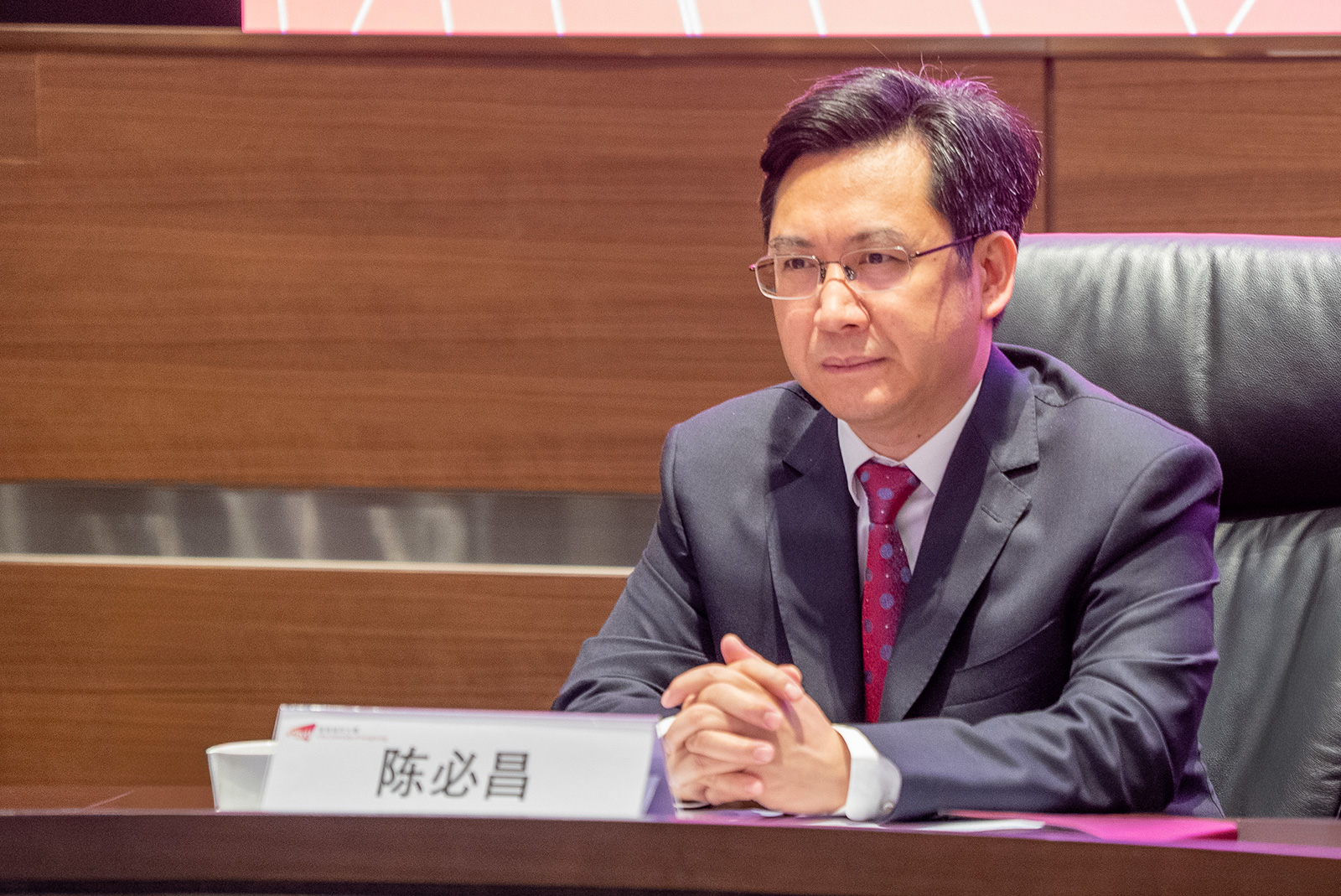
Mr Chen Bichang, Director-General of the Department of Education of Shandong Province, provided a comprehensive overview of Shandong's strong foundation and development vision as a major educational province. He noted that Shandong has a comprehensive higher education system and is currently making every effort to promote the "Double First-Class" initiative, dedicated to enhancing the quality and scientific and technological innovation capabilities of its universities.
Director-General Chen particularly emphasised the deep-rooted cooperation between universities in Shandong and Hong Kong, with 61 pairs of friendly partnerships and 11 joint laboratories already established. Looking ahead, he suggested that universities in both regions should improve their working mechanisms and enhance cultural exchanges through academic forums and study camps to build a long-term, stable framework for collaboration. He also advocated for deeper research synergy, leveraging CityUHK's strengths in data science, artificial intelligence, and smart cities to promote the application of cutting-edge research outcomes in Shandong's key industries.
Talent Policies and Platform Advantages
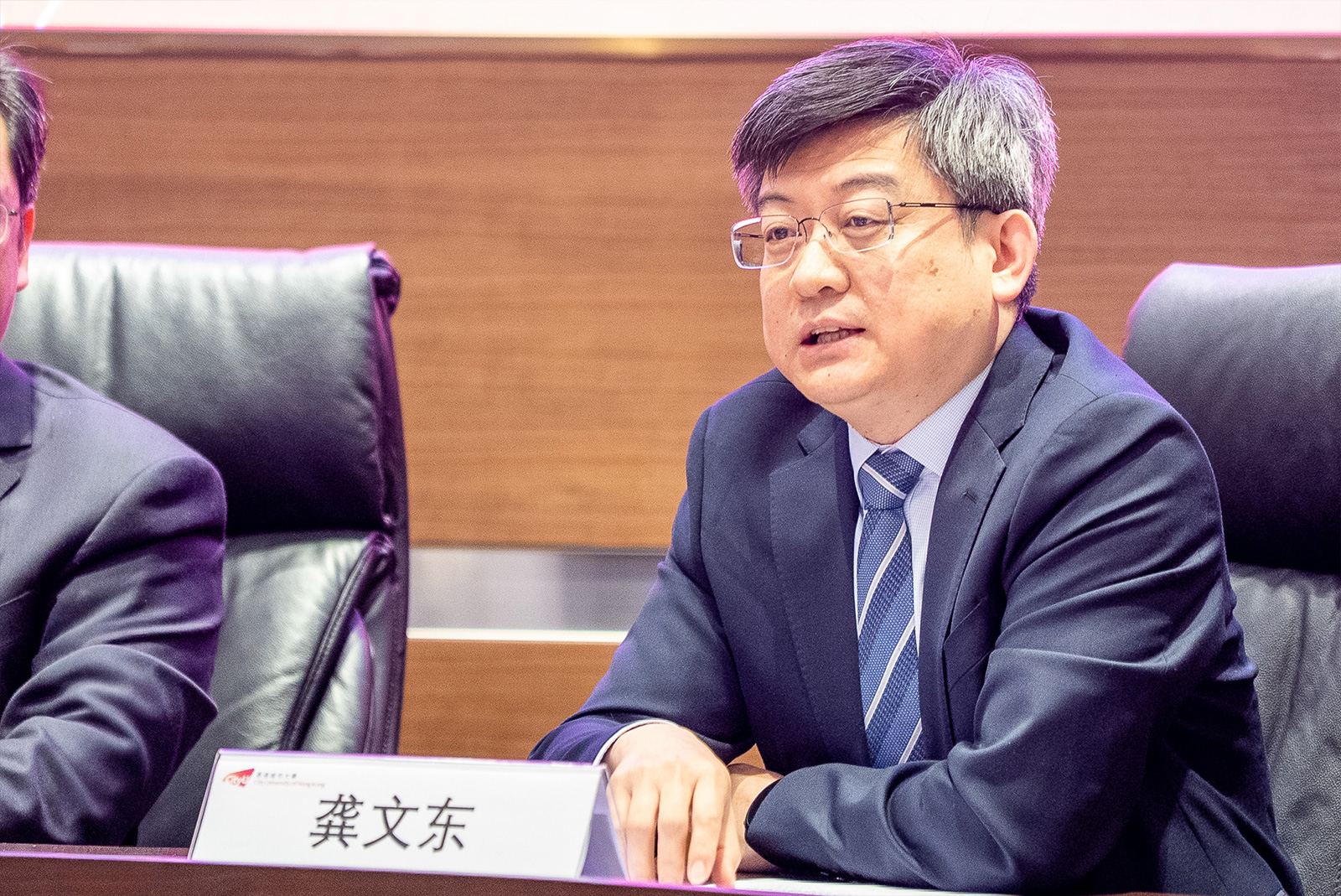
Mr Gong Wendong, Deputy Head of the Organisation Department of the Shandong Provincial Party Committee, detailed Shandong's talent initiatives, highlighting major policies such as the "25 Talent Policy Articles", the "Taishan Talent Project," and the "Qilu Talent Project", which demonstrate Shandong's sincere desire to attract global talent. Deputy Head Gong noted that Shandong not only boasts a wealth of research platforms, including national laboratories and key national laboratories, but its extensive industrial system also provides broad application scenarios and valuable pilot platforms for the commercialisation of scientific research. The potential for cooperation is particularly significant in advantageous fields such as marine technology, advanced manufacturing, and modern agriculture.
Leading in Business: Global Business Education and Customised Executive Training
Professor Stephen Shum, Dean of the College of Business at CityUHK, showcased the college's strengths as a leader in Asian business education and its future development blueprint. Dean Shum introduced the college's development strategy centred on the three pillars of " Intelligence", "Innovation" and " Internationalisation". In terms of technological innovation, the college has integrated AI and FinTech into all levels of its curriculum, offering cutting-edge courses such as "Artificial Intelligence for Business". Its MBA programme was ranked first globally for "Innovative Teaching Practices" in the QS 2026 rankings. In the future, the college plans to establish the "Institute for Digital Assets and Economic Innovation" to focus on the frontiers of the digital economy and provide strong intellectual support for Shandong in digital finance and technological innovation.
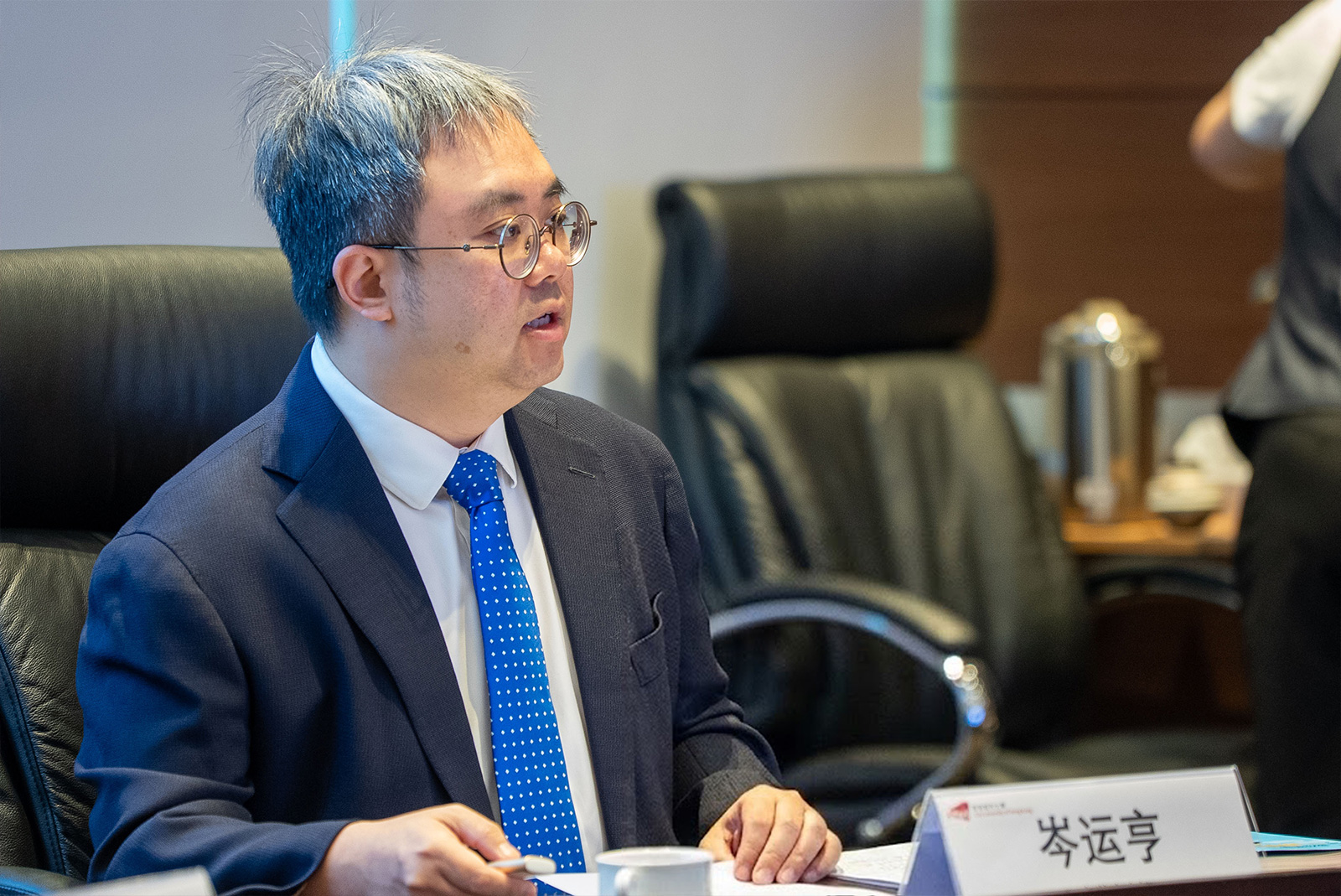
Professor Stephanie Gao, Director of the Executive Education Programmes at the College of Business, then elaborated on the unique advantages of the college's executive training courses. She detailed how CityUHK's world-class educational resources can be tailored to meet the specific development needs of Shandong's cadres and talents to precisely serve the province's "Strong Provincial Capital" strategy and the transition of old to new economic drivers, systematically enhancing the international perspective, innovative thinking, and modern governance skills of leading cadres.
Innovation Hub: The Platform Role and Academic Leadership of the Qingdao Research Institute
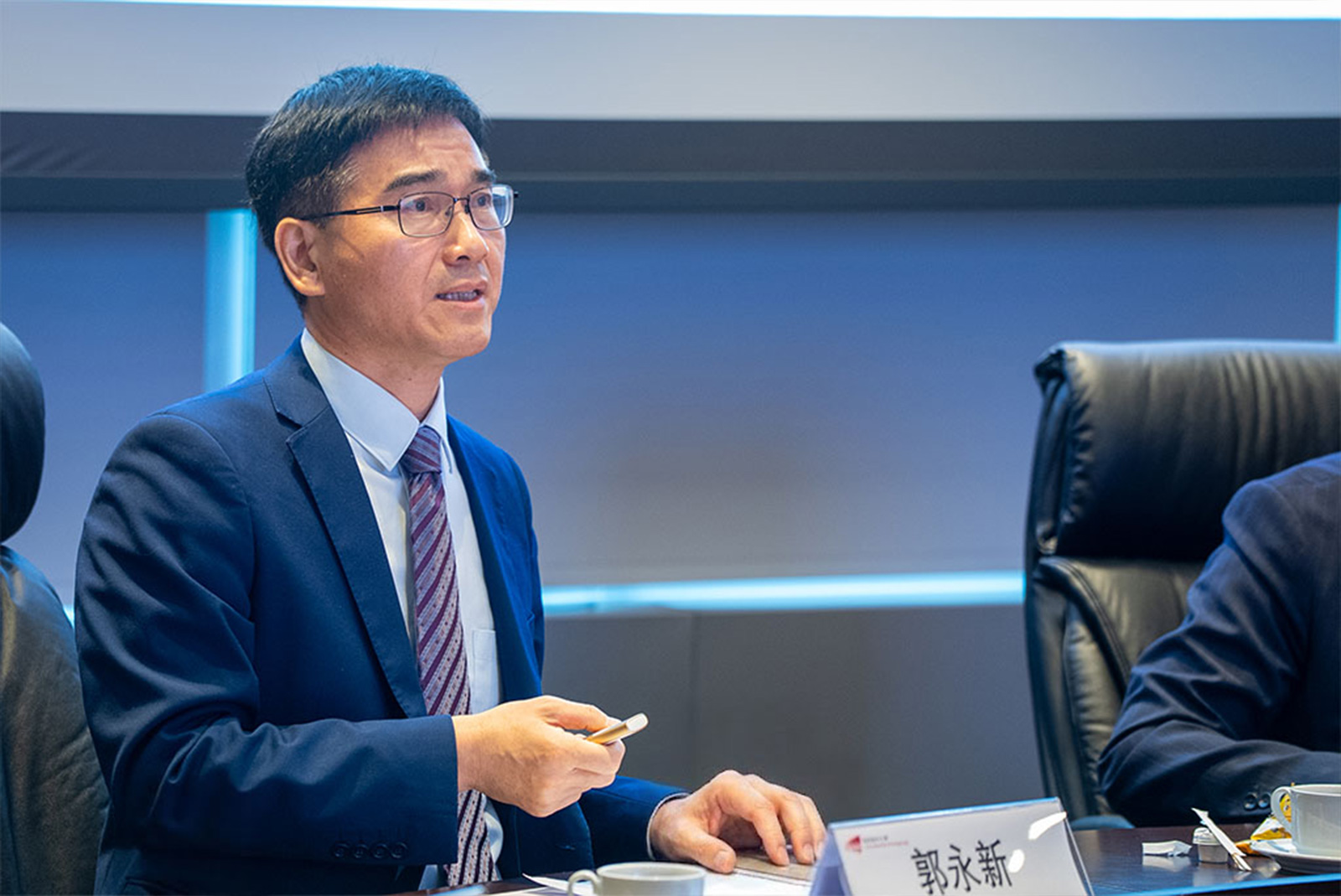
Professor Guo Yongxin, Director of the Qingdao Research Institute, explained at the meeting that the institute, as an innovation hub linking Shandong and Hong Kong, has made significant progress, especially in its "3+1+X" talent cultivation system for bachelor's, master's, and doctoral students. The institute has established a comprehensive cooperation network with over 70 universities and more than 300 departments across the country (including C9, 985, 211, and "Double First-Class" universities, as well as institutions with distinct industry characteristics), significantly enhancing CityUHK's influence and the depth of its cooperation with universities in mainland China. The institute is planning to establish two international research and innovation platforms—"New Generation Information Technology and Artificial Intelligence" and "New Materials and New Energy"—to promote technological breakthroughs and support industrial upgrading in Shandong, and to further strengthen scientific and technological academic cooperation and industry-academia-research linkage at home and abroad. Chairman Ngai highly affirmed the institute's current positive development momentum and expressed his hope that Shandong Province, Qingdao City, and the local government will continue to provide attention and support, helping the institute become an important platform for talent cultivation and for serving regional economic transformation and technological innovation.
A Win-Win Future: Serving High-Quality Development through Substantial Cooperation
After the meeting, the delegation visited the State Key Laboratory of Terahertz and Millimetre Waves at CityUHK to inspect cutting-edge scientific research achievements firsthand.
This exchange conference was highly fruitful. Both sides not only shared their respective advantages and needs but also reached a high degree of consensus on deepening educational cooperation, coordinating scientific and technological innovation, and jointly cultivating high-end talent. The conference marks a new stage in Shandong-Hong Kong cooperation, guided by strategic planning, driven by platform projects, and aimed at practical results. Moving forward, both parties will use this conference as a foundation to accelerate project implementation and the continuous expansion of cooperation areas, injecting strong momentum into the high-quality development of both Shandong and Hong Kong.